
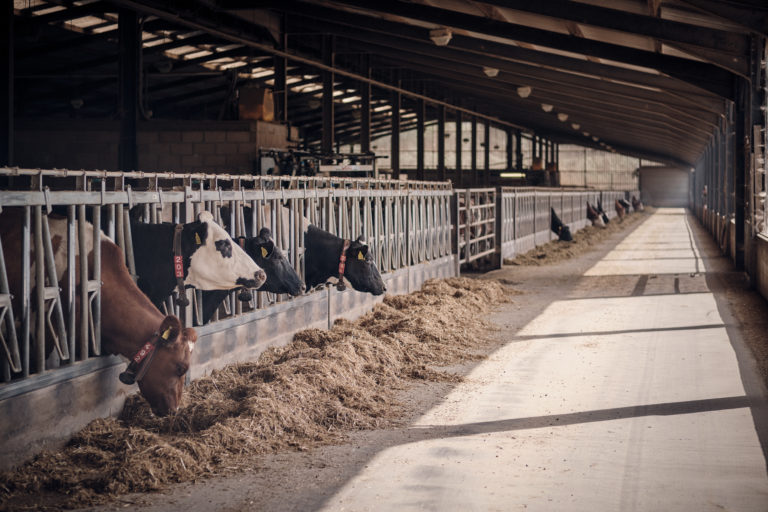
Reducing greenhouse gas (GHG) emissions while delivering greater on-farm efficiency is at the heart of the UK Dairy Carbon Network (UK-DCN). As part of the project, farms are using a range of methane suppressing feed products (MSFPs) that could help achieve this goal. One option worth considering is the inclusion of linseed products in dairy cow rations.
Linseed is the seed of the flax plant (Linum usitatissimum) and is well known for its high levels of omega-3 fatty acids. It can be fed in several forms, including whole seed, oil, micronised products (ground into fine particles to improve absorption) and extruded products, which are processed using heat, moisture and pressure.
The omega-3 fatty acids found in linseed have been linked to improved milk production and increased progesterone levels, which may support fertility. The main omega-3 fatty acid in linseed – alpha-linolenic acid – alters rumen fermentation by encouraging the production of fatty acids that use hydrogen. This reduces the amount of hydrogen available for methane-producing microbes, helping to lower methane emissions. Linseed is also a readily digestible fat source and can improve the energy content of the diet.
What does the evidence say?
Research suggests that supplementing dairy cow diets with extruded linseed can reduce methane emissions by up to 10%, while also supporting animal performance and productivity. However, specialist nutritional advice should always be sought before introducing linseed products, as inclusion rates need to be carefully managed and other dietary components, such as protein, may need to be balanced. Feeding excessive amounts of linseed products can reduce feed intake and lower milk fat content.
Linseed may also help reduce the carbon footprint of milk production if it replaces ingredients with a higher environmental impact, such as some palm oil-based products. As with any feed ingredient, it is important to check sourcing and composition with suppliers to understand their environmental sustainability credentials.
As with any ration change, results will depend on the wider feeding strategy, ration balance and overall herd management.
How does this fit on farm?
For farms involved in the UK-DCN, the use of linseed products will depend on individual system requirements and business objectives. There is no one-size-fits-all solution, and any decisions should be based on sound evidence and professional advice.
Farm Liaison Officers and technical teams within the UK-DCN are working with participating farms to explore these options, helping to interpret the latest research and assess how different strategies perform under practical farm conditions.
Linseed represents one potential tool within a broader approach to improving productivity, supporting rumen function and reducing emissions. Naturally derived and readily available, it offers a practical option that can be incorporated into existing feeding systems and may contribute to greater on-farm efficiency when carefully managed.