The UK Dairy Carbon Network is working with over 50 UK dairy farms to implement and assess practical, farm-ready solutions for reducing greenhouse gas emissions (GHG).
Led by AFBI and funded by DEFRA, the project is supported by a UK-wide consortium of leading research and industry partners.

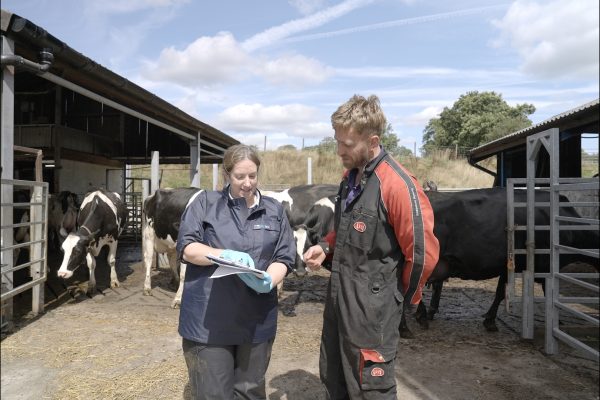
By targeting slurry more precisely, correcting nutrient imbalances and improving nitrogen efficiency, a Shropshire dairy farm is set to cut fertiliser use from 240–250kg N/ha to approximately 170kg N/ha, while boosting grass growth and lowering greenhouse gas (GHG) emissions per litre of milk.
By reducing clinical mastitis by 26% during peak winter risk periods, Nixon’s Farms Ltd has improved udder health, reduced milk losses and increased efficiency. This demonstrates how better disease control can directly lower greenhouse gas (GHG) emissions per litre of milk.

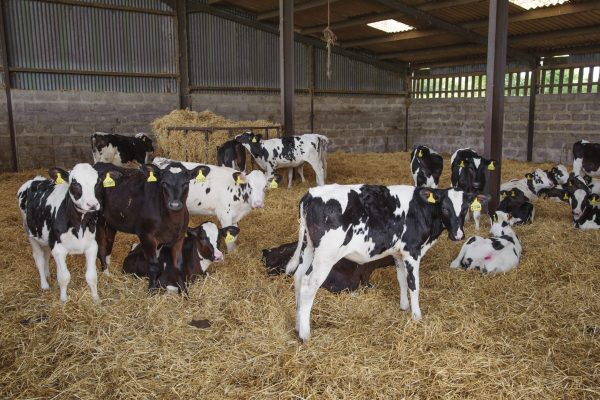
Getting the calf environment right is one of the most immediate and cost-effective ways to both improve performance and lower emissions on UK dairy farms. At a UK Dairy Carbon Network (UK-DCN) event on 11 March 2026 at Two Pools Farm, South Gloucestershire, livestock housing consultant Jamie Robertson outlined how to assess and improve calf environments for better health, performance and efficiency.

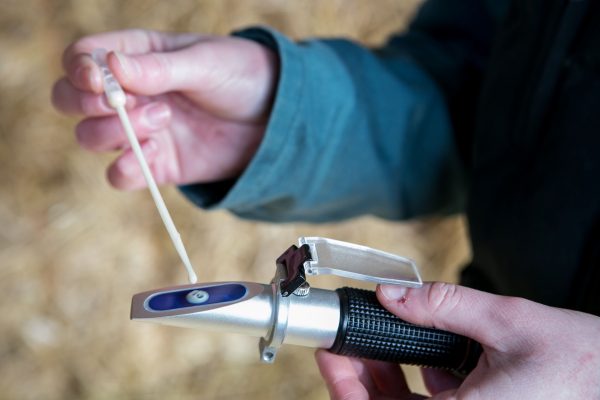
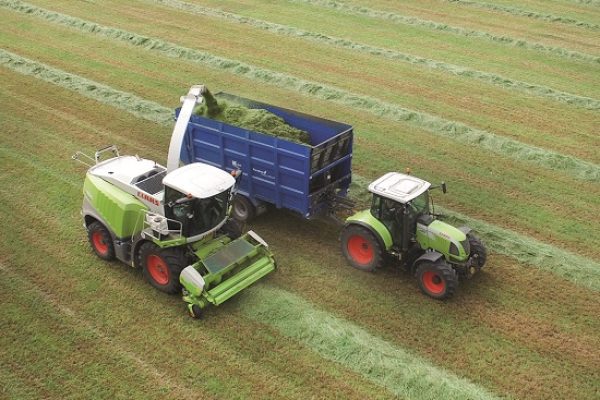
In early March 2026, farmers in the Northern Ireland Farm Network of the UK Dairy Carbon Network (UK-DCN) attended a webinar focusing on the role of incorporating high sugar grasses into their grassland to reduce greenhouse gas emissions, while maximising productivity. Speakers at the webinar included Mary McEvoy and David Little from Germinal, with the webinar facilitated by John Morrow, Agriculture Manager at AgriSearch.