
Activities to reduce greenhouse gas emissions
Farmers participating in the project will choose from four broad areas with established potential for measurable greenhouse gases (GHG) reductions. Initially, the options will focus on accepted best practice and evolve to include different technologies and further enhancements to existing actions.
Farm Liaison Officers will work with farmers in their network to choose the approaches most suited to their farm. Implementation and measurement will be carried out by the project’s academic partners.
Farm-based actions to lower GHGs
Breeding for reduced methane
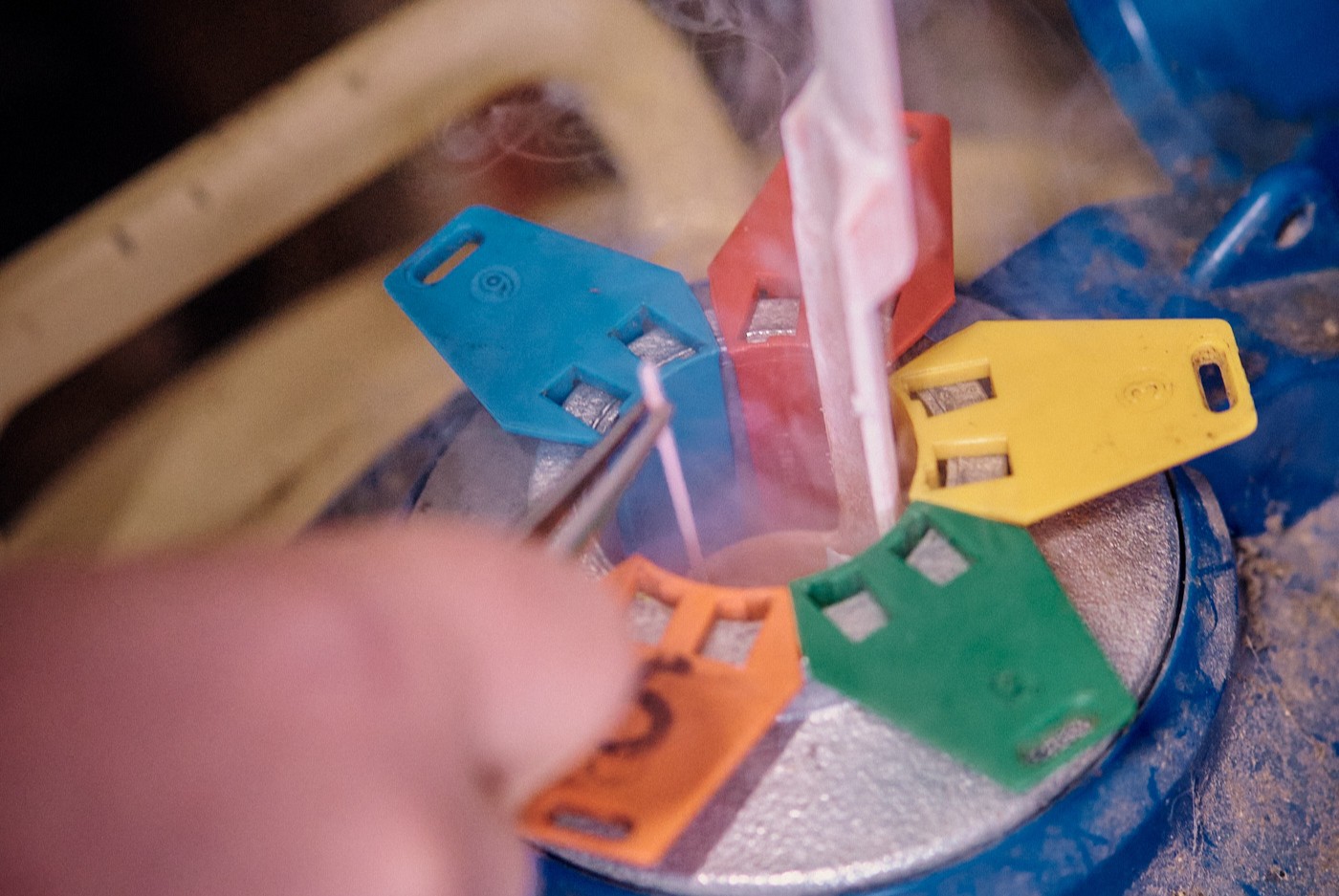
Targeted breeding strategies can reduce methane intensity while improving productivity, fertility, and longevity. Using tools like the AHDB EnviroCow index alongside genomic testing of youngstock, helps identify and breed from the most efficient animals for long-term emissions reduction.

Nutrition
Growing high-quality home-grown forage, following best practices, and incorporating high-sugar grasses into reseeding plans all improve feed utilisation, boost animal performance and reduce reliance on bought-in feeds, helping to cut greenhouse gas emissions. Working with a nutritionist to optimise rations can further lower emissions.

Improving health and disease control
Improved animal health reduces emissions by preventing yield losses. Tackling lameness, mastitis, calf losses and endemic disease through structured plans and early intervention supports higher productivity and better environmental outcomes per litre of milk.

Nutrient management
Using clover, legumes, and protected urea lowers fertiliser use and nitrous oxide emissions, while precision tools like GPS soil testing, variable-rate applications, and low-emission slurry spreading improve soil health and efficiency, supporting sustainable crop production.