
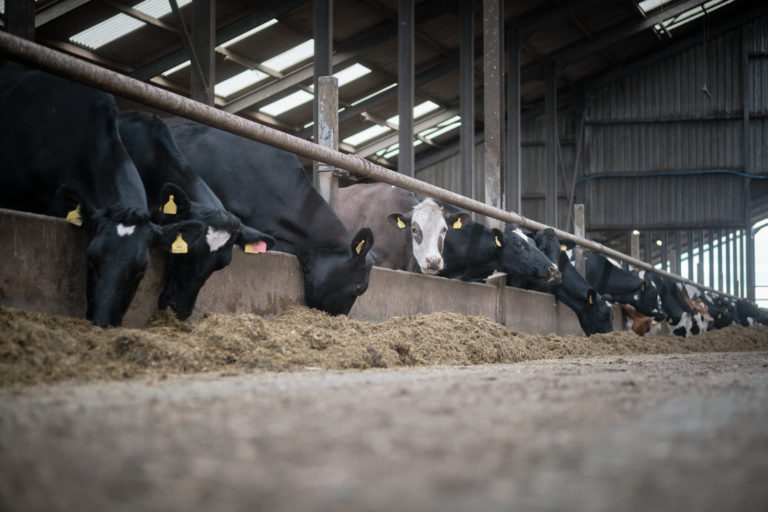
Available in a range of formulations, supplementary fats and oils are primarily used for their nutritional and health benefits but can also offer advantages within wider nutrient management strategies. As a practical feed ingredient, they can be integrated into existing systems and may contribute to a lower environmental footprint when carefully selected and managed.
Fatty acids are an essential component in ruminant diets and supplements are often composed of a blend of vegetable or marine oils or can be made from calcium salts from sources such as palm fatty acid distillate.
Supplementary fats can be fed at any time during the production cycle. Depending on their fatty acid composition, fat sources may alter cow performance through increased milk yield; increased or decreased milk fat content; improved body condition; or enhanced reproductive performance. These ingredients are generally readily absorbed and increase the energy concentration of the diet.
From a methane perspective, supplementary fats work by acting as a substitute for carbohydrates in the diet, which are one of the primary sources of methane production. Unlike carbohydrates, fats do not ferment in the rumen and, therefore, can decrease the fermentable organic matter present. If the fat source contains unsaturated fatty acids, they may directly inhibit certain rumen micro-organisms involved in fibre fermentation and methane production. The processing of these fatty acids in the rumen may also use a small amount of hydrogen, reducing its availability for methane production.
What does the evidence say?
Research indicates that supplementing herd rations with fats can deliver certain benefits, such as increased milk yield and butterfat production, alongside positive effects on progesterone (which contributes to a healthy pregnancy) and reproduction.
Fats are primarily fed for their health, nutritional and efficiency benefits, but sources of calcium salts can reduce methane emissions by up to 5% and for some oil sources this may be higher. Feeding certain types of supplementary fats can also reduce the carbon footprint per litre of milk, primarily where they improve feed efficiency or milk yield.
Some alternative fat sources, such as those derived from locally sourced vegetable or marine oils, have been shown to have a lower carbon footprint than conventional palm-based products. However, sustainability outcomes vary considerably depending on the specific ingredient, its sourcing and production practices. It is therefore important to review feed composition and verify sustainability credentials with suppliers. As with any ration change, outcomes depend heavily on the wider feeding strategy, ration balance and overall herd management and over-feeding can have negative effects.
How does this fit on farm?
For farms involved in the UK Dairy Carbon Network (UK-DCN), the use of fats in rations will depend on individual system requirements and what the farm business is looking to achieve with their herd. There is no one-size-fits-all solution and decisions should be based on robust evidence and practical feasibility.
Farm Liaison Officers and technical teams within the UK-DCN are working with participating farms to explore options, helping to interpret the latest research and assess how different strategies could perform under real farm conditions.
Supplementary fats represent one potential tool within a broader approach to increasing rumen health and efficiencies. Feeding fats offers a practical option that can be implemented within existing systems, contributing to a lower environmental footprint when carefully managed.